A Clear Path to Your Dental Implant Success
If your dentist has told you that you need a bone graft before getting dental implants, you’re not alone — and it’s not a setback. Bone grafting for dental implants is one of the most common, predictable procedures in modern implant dentistry, and at Algoma Family Dentistry, it’s a routine part of how we help patients throughout Algoma, WI, rebuild a strong, healthy smile.
Call our Algoma dental office at (920) 487-2733 to schedule your dental implant consultation. We proudly serve patients throughout Algoma, Kewaunee, Casco, Luxemburg, Sturgeon Bay, Forestville, Bruemmerville, and Green Bay.

Why Bone Grafting Matters for Dental Implant Success
A dental implant only works as well as the bone holding it in place. Think of an implant like a fence post—if the ground around it is soft or shallow, the post won’t stand straight, no matter how good the post itself is. The jawbone works the same way. When a tooth is lost, the bone that used to support it starts to shrink within months, a process dentists call resorption. Periodontal disease, long-term denture wear, and old tooth extractions left untreated can all accelerate this bone loss.
Bone grafting for dental implants rebuilds the lost volume and density, so the implant has a solid, stable foundation to fuse with, a process called osseointegration. The good news for patients considering implants in Algoma is that grafting doesn’t lower your odds of success. Research on implant outcomes shows that grafted sites perform comparably to sites with naturally sufficient bone, and most complications, when they do occur, tend to show up early rather than years down the road—which is exactly why the planning and healing stages matter so much.
At Algoma Family Dentistry, Dr. Daniel Fama has completed advanced implant and surgical training and uses in-house CBCT 3D imaging, digital scanning, and 3D printing to plan grafts with precision before any incision is made. That level of planning is part of what separates a smooth, predictable graft from a frustrating one.
Types of Dental Bone Graft Materials
Not every patient needs the same type of graft. The right material depends on how much bone you’ve lost, where it’s needed, your overall health, and your treatment timeline. Here’s how the four main categories compare.
Autografts use bone harvested from another site in your own body—often a nearby area in the jaw, though larger grafts may use the hip or chin. Because it’s your own living tissue, an autograft carries the lowest risk of rejection and contains your body’s natural growth factors, which can speed integration. The tradeoff is a second surgical site, which means more healing to manage.
Allografts come from processed, sterilized human donor bone obtained through accredited tissue banks. They eliminate the need for a second surgical site, shorten the procedure, and have decades of clinical use behind them. They integrate well but don’t carry the same living growth factors as your own bone.
Xenografts, most commonly derived from bovine (cow) bone, are processed to remove all organic material, leaving a mineral scaffold that’s highly biocompatible with human bone. They’re often used for ridge preservation and sinus lifts because they resorb slowly, giving new bone time to form around them.
Synthetic grafts are lab-made from materials like calcium phosphate or hydroxyapatite that mimic the mineral structure of natural bone. National trends show that synthetic materials are now the most frequently used option for dental bone grafting. These lab-engineered solutions have gained widespread popularity across the industry because they offer high consistency and can be customized to specific needs. Additionally, they’re often more cost-effective and eliminate any potential concerns regarding the use of donor tissue.
Which Graft Is Right for You?
There’s no one-size-fits-all answer. A small ridge augmentation might call for a synthetic or xenograft material, while a patient with significant bone loss after years without a tooth might benefit from an autograft’s regenerative properties. During your consultation at Algoma Family Dentistry, we’ll review your CBCT scan, discuss your health history, and walk you through the pros and cons of each option so you can make a confident, informed choice.
The Bone Grafting Procedure at Algoma Family Dentistry
Knowing what to expect goes a long way toward easing pre-procedure nerves. Here’s how the process typically unfolds.
CBCT Imaging and Treatment Planning
Before anything else, we take a 3D CBCT scan of your jaw. This gives Dr. Fama a precise, three-dimensional map of your existing bone—its height, width, and density—so the graft can be planned down to the millimeter. This digital planning step is part of what makes modern bone grafting far more predictable than it was even a decade ago.
The Grafting Appointment
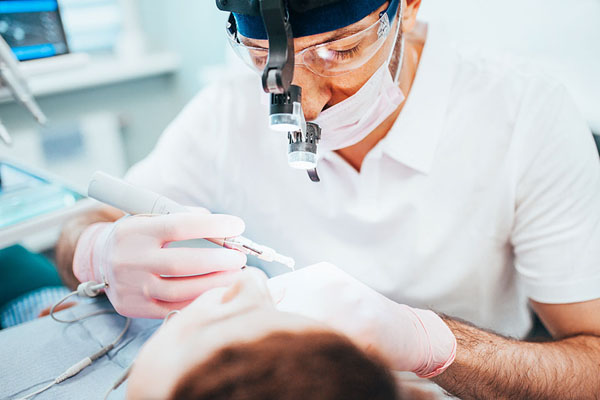
On the day of your procedure, you’ll be comfortably numbed with local anesthesia (sedation options are available for anxious patients). Dr. Fama makes a small, controlled incision to access the area, places the chosen graft material to fill the bony defect, and closes the site with sutures. Most grafting appointments are completed in a single visit, and patients return home the same day.
Sinus Lift for Upper Jaw Implants
If you need implants in the upper back jaw, you may need a sinus lift, a specialized type of graft. The sinus cavities sit just above the upper molars and premolars, and over time—especially after tooth loss—they can expand downward into the space needed for implant roots. During a sinus lift, Dr. Fama gently lifts the sinus membrane and places graft material underneath it, creating the bone volume needed for a stable implant. It sounds more dramatic than it feels; most patients describe recovery as similar to a tooth extraction.
Bone Graft Healing Timeline & Recovery Tips
Healing happens in two phases, and understanding both helps set realistic expectations.
- Soft tissue healing (1-2 weeks): The gum tissue over the graft site closes, and the initial discomfort and swelling subside. Most patients are back to normal eating and routines within this window.
- Bone integration (3-6 months): This is the slower, behind-the-scenes phase where the graft material fuses with your natural bone and new bone cells grow through it. Your age, overall health, smoking status, and how closely you follow aftercare instructions all influence how quickly and completely this happens. Once integration is complete, your jaw is ready for implant placement.
Tips for a Smooth Recovery
- Stick to soft foods early on. Smoothies, soups, eggs, and mashed vegetables reduce pressure on the graft site during the first days of healing.
- Keep up gentle oral hygiene. Infection is one of the most preventable risks to a graft, so follow the rinsing and brushing instructions we give you closely.
- Don’t skip follow-up visits. These checkups let us catch and address small issues before they become bigger ones.
- Avoid smoking and alcohol during the healing window — both are well-documented to slow bone healing and increase failure risk.

Cost of Bone Grafting for Dental Implants in Algoma, WI
Bone grafting costs vary based on the material used and the complexity of the procedure. In general, patients can expect costs ranging from roughly $300 to $3,000. Synthetic and allograft materials tend to fall on the more affordable end, while autografts cost more due to the additional surgical site involved. Sinus lifts and larger ridge augmentations are generally priced toward the higher end of that range.
Does Insurance Cover Bone Grafting?
Many dental insurance plans provide partial coverage for bone grafting when it’s medically necessary for implant placement, though coverage details vary widely by plan and provider. Our team at Algoma Family Dentistry can help you check your benefits, walk you through financing options, and give you clear, upfront cost estimates before any treatment begins—so there are no surprises.
Finding a Dentist Near You for Bone Grafting in Algoma & Surrounding Areas
If you’ve searched “bone graft dentist near me” or “dentist near you in Algoma, WI,” you’ve likely found that not every general dentist performs bone grafting in-house. At Algoma Family Dentistry, Dr. Daniel Fama has pursued additional implant and surgical training through Restorative Driven Implants and is a fellowship candidate with the International Congress of Oral Implantologists—meaning patients don’t need to be referred out to a separate oral surgeon for many grafting procedures.
We’re conveniently located at 1421 Lake St, Algoma, WI 54201, and welcome patients from across Kewaunee County and beyond, including Algoma, Forestville, Bruemmerville, Casco, Luxemburg, Sturgeon Bay, Kewaunee, and Green Bay.
Frequently Asked Questions
The only reliable way to know is through a CBCT scan and clinical exam, which is part of every implant consultation at Algoma Family Dentistry. Signs that often point to the need for grafting include a long gap since tooth loss, visible bone loss on X-rays, a sunken appearance where a tooth used to be, or a dentist previously telling you your jawbone is too thin for an implant.
Most patients describe the procedure itself as comparable to having a tooth extracted — you’ll be numb during the appointment, and any soreness afterward is generally manageable with over-the-counter pain relievers as directed by our team.
Most patients wait three to six months to allow the graft to fully integrate with the jawbone before implant placement. Dr. Fama will confirm readiness with imaging before moving forward—rushing this step is one of the most common avoidable causes of implant complications.
Yes, though it’s uncommon when patients follow aftercare guidance. Graft failure is usually linked to infection, smoking, or insufficient blood supply to the site. If it happens, we’ll evaluate the cause and discuss next steps, which may include a repeat graft with a different material.
With good oral hygiene and regular dental visits, implants supported by a successful bone graft can last for decades — often a lifetime. The graft itself becomes a permanent part of your jawbone once integration is complete.
Schedule Your Bone Grafting Consultation Near You
Whether you’re just starting to explore dental implants or you’ve already been told you need a bone graft, the team at Algoma Family Dentistry is here to walk you through every step with honest answers and a clear treatment plan. Call (920) 487-2733 today to schedule your consultation, or stop by our Algoma office at 1421 Lake St. We’re proud to be the dentist near you for families throughout Algoma, Kewaunee, Casco, Luxemburg, Sturgeon Bay, and Green Bay.