Restore a Damaged Tooth With a Custom Dental Crown
A cracked molar. A tooth that has already had a root canal. A large dental filling that’s starting to fail. These situations are ideal for a dental crown, which can protect a weakened tooth and prevent further damage.
At Algoma Family Dentistry, Dr. Patti Sigl and Dr. Daniel Fama provide dental crowns in Algoma, WI, for patients from Kewaunee, Casco, Luxemburg, Sturgeon Bay, Green Bay, and surrounding communities. Whether you need a natural-looking crown for a front tooth or a durable restoration for a back molar, our team will explain your options and help you choose the right treatment.
Ready to discuss your options? Call (920) 487-2733 or schedule an appointment online.
What Is a Dental Crown?
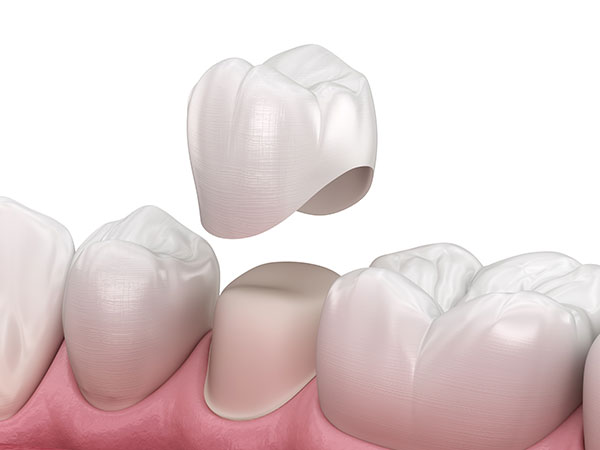
A dental crown, sometimes called a dental cap, is a custom-made restoration that covers the visible portion of a tooth. It restores the tooth’s shape, strength, and appearance while protecting the remaining natural structure.
Your dentist may recommend a crown when a tooth is too damaged or weakened to be restored reliably with a filling alone. Common situations include:
- Large Cavities or Fillings: When decay or an existing filling affects much of the tooth, a crown can protect the remaining structure.
- After a Root Canal: Root canal-treated teeth, particularly back teeth, may need additional protection against fractures during chewing.
- Cracked or Broken Teeth: A crown can hold a weakened tooth together and help prevent further damage.
- Severe Wear: Teeth worn down by grinding or other factors may benefit from crowns that restore their shape and chewing function.
- Missing Teeth: Crowns serve as the visible replacement teeth attached to dental implants or as supports for dental bridges.
- Cosmetic Concerns: A crown can improve the appearance of a badly discolored, misshapen, or damaged tooth when less extensive treatments are not suitable.
You may notice pain when biting, lingering sensitivity, or a visible crack before realizing a tooth needs attention. An examination can help determine whether a crown or a more conservative treatment is appropriate.
Crown, Filling, Onlay, Veneer, or Bonding: Which Is Right?
Not every damaged tooth needs a crown. The right restoration depends on how much healthy tooth structure remains and what needs to be repaired.
- Fillings and Dental Bonding: Repair smaller cavities, chips, and minor imperfections.
- Onlays: Cover the chewing surface and weakened cusps without covering the entire tooth.
- Dental Veneers: Cover the front surface of teeth to improve their appearance.
- Dental Crowns: Cover the entire visible portion of a tooth to restore strength and protect against significant damage.
Our dentists will recommend the least invasive option that can reliably address your needs. If a filling or porcelain veneer is more appropriate, we will explain why.

Types of Dental Crowns
Dental crowns are available in several materials. The best choice depends on the tooth’s location, your bite, durability needs, and desired appearance. Please note that we may not provide most of these options at Algoma Family Dentistry.
Porcelain and Ceramic Crowns
Porcelain and ceramic crowns are popular for their natural appearance and ability to blend with surrounding teeth. They are often considered for visible teeth where matching the color and translucency of natural enamel is important.
If you plan to whiten your teeth, discuss it with your dentist before making your crown. Crown materials do not respond to whitening treatments, so whitening beforehand can help achieve a better color match.
Zirconia Crowns
Zirconia is a strong ceramic material that resists chipping and cracking. Its durability makes it a useful option for molars and patients who place considerable pressure on their teeth when chewing or grinding. Modern zirconia crowns can also provide a natural-looking appearance, making them suitable for different areas of the mouth.
Porcelain-Fused-to-Metal Crowns
Porcelain-fused-to-metal (PFM) crowns combine a strong metal base with a porcelain exterior. They offer a balance of durability and appearance, although a dark metal line may sometimes become visible near the gums over time.
Metal Crowns
Gold and other metal alloys are durable materials that withstand heavy chewing forces and generally require less tooth removal than some alternatives. Their metallic appearance makes them more common for back teeth.
Let your dentist know if you have a metal sensitivity so the appropriate material can be selected.
Stainless Steel Crowns for Children
Children may receive prefabricated stainless steel crowns when baby teeth have extensive decay or damage. These crowns protect the teeth until they naturally fall out and are replaced by permanent teeth. Our team also provides pediatric dentistry for families in Algoma and nearby communities.
The Dental Crown Procedure at Algoma Family Dental
Getting a dental crown generally involves an examination, tooth preparation, and placement of the permanent restoration. The dental crown process may take one or two appointments, depending on the type of crown and your treatment needs.
- Examination and Treatment Planning: Your dentist examines the affected tooth and may take X-rays to evaluate its roots and surrounding structures. If decay, infection, or other problems need attention first, we’ll discuss those treatments before proceeding.
- Tooth Preparation and Impressions: The area is numbed with local anesthetic before the tooth is reshaped to make room for the crown. We then take a digital scan or traditional impression to create a restoration that fits your tooth and bite.
- Temporary Crown: For traditional two-visit treatment, a temporary crown protects the prepared tooth while the permanent restoration is being made. Avoid sticky or particularly hard foods during this time to prevent the temporary crown from loosening.
- Permanent Crown Placement: At your next appointment, we remove the temporary crown and check the permanent restoration’s fit, appearance, and bite. Once everything is properly adjusted, the crown is secured in place.
Can You Get a Same-Day Crown?
In some cases, yes. CEREC technology uses digital scans and in-office milling equipment to design and create a ceramic crown during the same appointment. This allows eligible patients to receive their permanent crown in one visit without needing a temporary restoration or a second appointment.
Not every tooth is suitable for same-day treatment, so we will evaluate your situation before recommending this option. Please note that we may not provide this treatment option at Algoma Family Dentistry.

Does Getting a Crown Hurt? Recovery and Aftercare
The dental crown procedure is performed with local anesthetic to keep you comfortable. Afterward, you may experience mild sensitivity to temperature or pressure for a few days. This usually improves as your tooth adjusts to the restoration.
A few simple habits can help protect your crown and the natural tooth underneath it:
- Brush twice daily with fluoride toothpaste and floss between your teeth every day.
- Avoid chewing ice, hard candy, and other objects that could damage the restoration.
- If you grind or clench your teeth, ask about a night guard to help protect your crown.
- Keep up with regular dental examinations and cleanings so we can monitor the crown and surrounding tooth structure.
If you have a temporary crown, avoid sticky foods and chew on the opposite side when possible.
What to Do if a Crown Comes Loose or Falls Off
A loose crown or one that has come off is not usually an emergency, but it needs attention soon because the tooth underneath is exposed to bacteria and sensitivity.
- Keep the crown in a safe place and bring it with you.
- Gently rinse the area with warm water, and avoid chewing on that side.
- Call us at (920) 487-2733 so we can see you as soon as possible.
- If needed, over-the-counter dental cement from a pharmacy can hold it temporarily. Do not use household glue.
If you have a crown loose on an implant, do not try to force it back on. The crown may be attached with a small screw or cement, and the implant itself could be affected. Call us so we can check the implant and crown together.
How Long Do Dental Crowns Last?
Most dental crowns last approximately five to 15 years, although many remain functional for longer with proper care. Their lifespan depends on the material, oral hygiene, chewing habits, and the amount of pressure placed on the restoration.
Regular dental visits allow your dentist to check for wear, damage, or problems around the edges of the crown and address concerns before they become more serious.
Dental Crown Cost and Insurance in Algoma, WI
The cost of a dental crown depends on several factors, including the material selected, the tooth’s condition, and whether additional treatment is needed before placement. A crown that requires a root canal or buildup, for example, may involve additional treatment costs.
Dental insurance plans often provide partial coverage for crowns when they are considered medically necessary, but benefits vary by provider, deductible, and annual maximum.
At Algoma Family Dentistry, we can help you understand your insurance benefits and provide an estimate before treatment begins. Visit our insurance information and financial policy pages to learn more.
Frequently Asked Questions
Yes. The crown itself cannot decay, but the natural tooth underneath at the gum line can. Careful brushing and flossing protect it.
No. Many teeth are crowned because they are cracked or worn but have healthy nerves. A root canal is only needed if the nerve is infected or damaged.
Yes. Pediatric crowns, most often stainless steel crowns, protect baby teeth that have extensive decay. We will go over whether a crown is the best option for your child.
Yes. Sensitive teeth can sometimes be treated with a dental crown, depending on the underlying cause. Your dentist will examine the tooth to determine whether a crown is appropriate or whether another treatment would better address the sensitivity.
Schedule Your Dental Crown Consultation in Algoma, WI
A damaged or weakened tooth doesn’t always need to be removed. A dental crown may help preserve your natural tooth, restore comfortable chewing, and improve your smile. At Algoma Family Dentistry, Dr. Patti Sigl and Dr. Daniel Fama take the time to explain your treatment options and help you understand what to expect.
Call our Algoma dental practice at (920) 487-2733 or schedule an appointment online to discuss dental crowns in Algoma, WI. Whether you need to protect a cracked tooth, restore a tooth after a root canal, or replace an older crown, our team is here to help. We welcome patients from Algoma and the surrounding communities across northeast Wisconsin.