Gentle, Reliable Tooth Extractions in Algoma
Hearing “that tooth has to come out” is nobody’s favorite news. But when a tooth is badly decayed, infected, or broken beyond repair, a well-planned tooth extraction can end the pain, stop an infection from spreading, and protect the healthy teeth around it.
If you’ve been searching “tooth extraction near me,” Algoma Family Dentistry provides simple and surgical tooth extractions in Algoma, WI, for patients from Kewaunee, Luxemburg, Casco, Sturgeon Bay, Green Bay, and the communities in between. Our dentists, Dr. Patti Sigl and Dr. Daniel Fama, always look for a way to save your natural tooth first. When removal is the healthiest choice, we walk you through every step so nothing about it is a surprise.
In pain right now? Call us at (920) 487-2733. We provide emergency dental care and will get you in as quickly as we can. Go to the ER or call 911 if you have facial or neck swelling that is spreading, trouble breathing or swallowing, or a fever along with a dental infection.

Tooth Extraction Near You in Algoma, WI
Searching for a tooth extraction dentist in Algoma, WI? You’ll find us at 1421 Lake St., Algoma, WI 54201, near Highway 42. We see patients Monday through Thursday from 8 am to 4 pm and Friday from 8 am to 2 pm.
Practical details that matter when you’re in pain and short on time:
- Local, familiar care. Your exam, dental X-rays, and extraction can happen with the same general dentistry team that handles your cleanings, fillings, and crowns.
- Insurance-friendly. We’re in-network with Delta Dental and accept most major dental insurance plans.
- Payment options. No insurance? We offer CareCredit financing with flexible payment options.
- Room for the whole family. We welcome patients of all ages from Algoma, Kewaunee, Luxemburg, Casco, Bruemmerville, Forestville, Alaska, Sturgeon Bay, and Green Bay.
Are you a senior or an older adult in need of tooth extraction? We can help you extract your bad tooth and cover the area with one of our tooth replacement options.
What Is a Tooth Extraction?
A tooth extraction (also called tooth removal) is a dental procedure that takes a tooth out of its socket in the jawbone. It’s one of the most common dental procedures, and with modern local anesthesia, it’s far more comfortable than most people expect.
For tooth removal in Algoma, WI, we never treat extraction as our first move. Before recommending it, we check whether a dental filling, root canal, or dental crown could save the tooth. Sometimes the answer is yes. When the answer is no, taking the tooth out promptly usually protects your bite, your jawbone, and your overall health better than waiting.
When Does a Tooth Need to Come Out?
A tooth may need to be removed when damage or disease has progressed beyond what a filling, crown, or root canal can reasonably repair.
Decayed Tooth Extraction
Severe decay can leave too little healthy tooth structure to support a filling or crown. Signs may include a tooth that crumbles when you chew, persistent sensitivity, or a dark or soft area that continues to grow.
Infected Tooth Extraction
A dental abscess can cause throbbing pain, swelling, a bad taste, a pimple-like bump on the gum, pain when biting, and sometimes fever. When possible, a root canal can clear the infection while preserving the tooth. If the tooth is too damaged to save, extraction removes the source of infection.
Antibiotics may be prescribed when an infection has spread, or your health history calls for them, but antibiotics alone don’t repair an infected tooth.
Broken Tooth Extraction
Many cracked or broken teeth can be restored with a crown. However, a fracture that extends below the gumline or down the root may make the tooth impossible to repair. Teeth damaged by an accident or injury may also require removal.
Advanced Gum Disease
Advanced gum disease can destroy the bone and tissue supporting a tooth, leaving it loose and unable to function properly. Removing an unsalvageable tooth may help protect the surrounding teeth.
Impacted Teeth and Wisdom Teeth
Wisdom teeth and other teeth that cannot fully emerge may become impacted, causing pain, swelling, infection, or damage to nearby teeth. X-rays help determine the tooth’s position and whether it can be safely removed in the office. If a tooth is deeply impacted or close to a nerve, we’ll explain why and coordinate care with an oral surgeon.
Crowding and Other Treatment Planning
In some cases, a healthy tooth may need to be removed to create space for orthodontic treatment such as Invisalign or to prepare the mouth for dentures.
Types of Tooth Extraction: Simple vs. Surgical
The type of extraction depends on how much of the tooth is visible and how it sits in the jaw. Your exam and X-rays will help determine which approach is appropriate.
Simple Extraction
A simple extraction is generally used when the tooth is fully visible above the gumline. After numbing the area with local anesthesia, your dentist loosens the tooth and removes it with dental instruments. You’ll feel pressure and movement but should not feel sharp pain. Recovery is usually a matter of a few days.
Surgical Extraction
A surgical extraction may be necessary when a tooth is impacted, broken at the gumline, or has roots that make removal more difficult. Your dentist may make a small incision, remove a limited amount of bone, or divide the tooth into sections. Stitches are sometimes needed, and recovery can take several days to a couple of weeks.
Sometimes a tooth that initially appears straightforward requires a surgical approach once treatment begins, such as when a severely decayed tooth breaks at the gumline. We’ll discuss this possibility with you beforehand when appropriate.
What to Expect During Your Tooth Extraction
Knowing what happens can make the appointment feel much less intimidating.
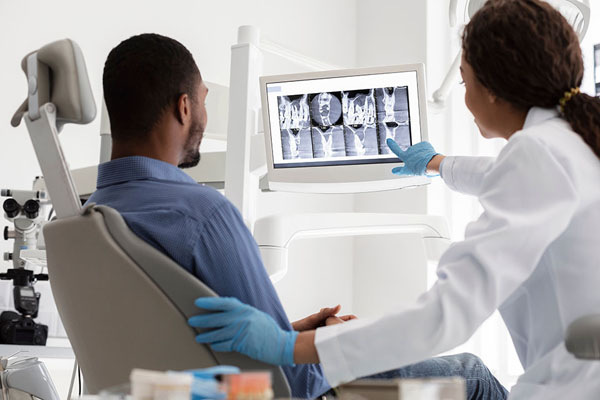
- Exam and X-rays: We examine the tooth, gums, and surrounding bone. X-rays help us see the roots, position of the tooth, and signs of infection.
- Treatment Plan: We’ll explain whether you need a simple or surgical extraction, discuss the expected cost and insurance coverage, and answer your questions.
- Numbing: Local anesthesia keeps the treatment area numb. If you’re anxious, let us know so we can discuss comfort options.
- Removal and Aftercare: Your dentist removes the tooth, cleans the socket, and places stitches or recommends a bone graft when needed. Before you leave, you’ll receive aftercare instructions and know what to watch for during healing.
Tell us before your appointment about medications you take, especially blood thinners, as well as heart conditions, diabetes, osteoporosis medications, or other health changes. Unless we’ve given you different instructions, eat a light meal beforehand and plan to rest for the remainder of the day.
Tooth Extraction Aftercare: What to Do and What to Avoid
Good aftercare protects the blood clot that forms in the extraction site. Keeping that clot in place helps the area heal and lowers the risk of dry socket.
The First 24 Hours
- Use gauze as directed. Keep gentle, firm pressure on the gauze for about 30 to 45 minutes. Light oozing during the first day can be normal.
- Rest. Take it easy and keep your head slightly elevated. Avoid strenuous exercise for at least 24 hours.
- Use ice. Apply a cold pack to your cheek for 10 to 20 minutes at a time to help with swelling.
- Protect the blood clot. Avoid straws, forceful rinsing, spitting, and touching the extraction site with your tongue or fingers.
- Manage discomfort. Take pain medication exactly as directed by your dentist.
- Avoid tobacco and alcohol. Smoking and vaping can interfere with healing and increase the risk of dry socket. Avoid alcohol while taking pain medication.
Days 2 to 7
After the first 24 hours, gentle saltwater rinses can help keep the area clean. Brush your teeth carefully while avoiding the extraction site for the first few days.
Choose soft foods such as yogurt, applesauce, scrambled eggs, mashed potatoes, and lukewarm soup. Avoid hard, crunchy, sticky, or very hot foods that could irritate the site or become lodged in the socket.
Swelling peaks around the second or third day and should then begin to improve.
Healing and When to Call
Most people feel substantially better within a week. Gum tissue over a simple extraction typically closes within one to two weeks, although surgical sites can take longer. The jawbone continues remodeling underneath the gum for several months.
Call us at (920) 487-2733 if you have pain that becomes worse instead of better after the third day, bleeding that doesn’t slow after firm pressure, increasing swelling after day three, pus, persistent bad taste, fever, or numbness that lasts well beyond when the anesthesia should have worn off.

Tooth Extraction Risks and Dry Socket
Tooth extractions are common and generally safe, but complications can occur. These may include prolonged bleeding, infection, temporary nerve irritation, a sinus opening after some upper-tooth extractions, damage to nearby teeth or fillings, or a reaction to anesthesia.
What Is Dry Socket?
Dry socket occurs when the blood clot in the extraction site is lost or dissolves too early, exposing the underlying bone and nerve endings. It can cause intense throbbing pain that typically develops a few days after extraction and may spread toward the ear or jaw. A bad taste or odor and an empty-looking socket can also occur.
If you think you have dry socket, contact us rather than trying to wait it out. The area can be treated with cleaning and a medicated dressing to help relieve discomfort.
Tooth Extraction Cost in Algoma: With and Without Insurance
Cost is often one of the first questions patients have. The final fee depends on the tooth being removed and the treatment required.
What Affects the Price?
Factors can include:
- Whether the extraction is simple or surgical
- The number and location of teeth being removed
- Anesthesia and comfort options
- Additional treatment such as a bone graft or sedation
- The exam and dental X-rays
Tooth Extraction Cost Without Insurance
Published 2026 national figures put a simple extraction at roughly $75 to $400 per tooth and a surgical or impacted extraction at roughly $180 to $800 per tooth, plus the exam and X-rays. Your actual fee will depend on your specific tooth and situation, so the most reliable number comes from an exam.
If you’re paying out of pocket, we offer CareCredit financing with flexible payment options.
Tooth Extraction Cost With Delta Dental and Other Insurance
We’re in-network with Delta Dental and accept most major dental insurance plans. Many plans cover a simple extraction as a basic service and a surgical extraction as oral surgery, often at a different percentage. Your deductible and annual maximum can also affect what you pay.
Bring your insurance card to your appointment, and we’ll help you understand your estimated portion before treatment.
Don’t let cost keep you from treating an infected tooth. An untreated infection can lead to bigger problems and bigger bills. Call us at (920) 487-2733, and we’ll work out a plan.
Replacing an Extracted Tooth: Implants, Bridges, and Dentures
After a tooth is removed, it’s important to consider whether the missing tooth should be replaced. A gap can allow neighboring teeth to drift, affect your bite and chewing, and contribute to bone loss in the area.
Bone Grafting
The jawbone naturally begins to shrink after a tooth is removed. A bone graft, also called socket preservation, can help maintain the ridge for a future dental implant or improve the foundation for another replacement option. We’ll let you know whether grafting makes sense for your situation.
Tooth Replacement Options
Depending on your needs, options may include:
- Dental implants: A titanium post placed in the jaw and topped with a crown. Implants can restore the appearance and function of a missing tooth while helping preserve the surrounding bone.
- Dental bridges: A replacement tooth supported by neighboring teeth, often using dental crowns.
- Partial or full dentures: Removable options for replacing one or several missing teeth. Immediate dentures may be available when multiple teeth need to be removed.
Your dentist can help you compare cost, timing, and the treatment option that fits your needs.
Frequently Asked Questions
If you only have local anesthesia for your tooth extraction procedure, many patients drive themselves home and return to work. Plan to rest the rest of the day, and if you have sedation, arrange a ride. We’ll tell you what to expect for your case.
Not always. Removing the infected tooth eliminates the source of infection. Your dentist may prescribe antibiotics if the infection has spread, if you have a fever, or if your health history requires it. Take them exactly as directed.
Yes. A tooth that has broken at or below the gumline is usually removed with a surgical approach, since there may be little tooth left to grip. We’ll numb the area completely and remove it carefully.
Severe, throbbing pain that starts two to four days after the extraction, sometimes radiating to your ear, plus a bad taste or an empty-looking socket, are the classic signs of dry socket. Call us right away so we can relieve the pain and protect the site.
Schedule Your Tooth Extraction in Algoma, WI
No one looks forward to a tooth extraction, but you don’t have to face one alone or in the dark. At Algoma Family Dentistry, we explain what’s happening, keep you comfortable, and help you plan for what comes next, whether that’s a replacement tooth or simply a healthy, pain-free mouth.
Call (920) 487-2733 or schedule your appointment online. Algoma Family Dentistry is located at 1421 Lake St., Algoma, WI. We welcome patients from Algoma, Kewaunee, Luxemburg, Casco, Bruemmerville, Forestville, Alaska, Sturgeon Bay, Green Bay, and surrounding areas. If you’re searching for a tooth extraction near Algoma, WI, we’d be glad to see you.