
Safe, Gentle Tooth Extractions for Older Adults in Algoma and Kewaunee County
When a parent or grandparent is told, “That tooth has to come out,” the whole family tends to worry. Is it safe at their age? Will they be in pain? Will they be able to eat afterward? These are fair questions, and the short answer is reassuring. With careful planning, tooth extraction is a routine, well-tolerated procedure for most older adults.
If you’re looking for a senior tooth extraction dentist in Kewaunee County, WI, the team at Algoma Family Dentistry is here to help. Our dentists, Dr. Daniel Fama and Dr. Pattie Sigl, always try to save a natural tooth first. When removal is the healthiest choice, we explain each step so that patients and their families know what to expect.
Have any questions or need to remove your bad tooth? Call our Algoma dental office at (920) 487-2733 to make a dental appointment today!
Why Seniors May Need a Tooth Extraction
Teeth are meant to last a lifetime, and most of the time they do. Dental care has improved, and more older adults are keeping their natural teeth. Still, tooth loss is a real concern with age. The CDC reports that complete tooth loss affected 12.9% of U.S. adults 65 and older in 2015–2018, rising from 8.9% at ages 65–69 to 17.8% at 75 and over. (Source: CDC National Center for Health Statistics)
The news is also encouraging. Among adults 65 and older, complete tooth loss dropped from 29.3% in 1999–2000 to 12.6% in 2017–2018. (Source: CDC MMWR QuickStats) Regular dental care helps people keep their teeth longer. When a tooth can’t be saved, though, an extraction can end pain and protect your overall health.
Common reasons an older adult may need a tooth removed include:
- Advanced gum disease. Bone and tissue loss can leave a tooth loose and unable to function.
- Severe decay. Years of wear, dry mouth from medications, and root decay can leave too few healthy teeth to support a dental filling or dental crown.
- Infection or abscess. If a root canal can’t save the tooth, removal stops the infection from spreading.
- Broken or cracked teeth. A fracture below the gumline often can’t be repaired.
- Preparing for dentures or partials. Sometimes a tooth must come out so a denture fits comfortably and works well.

Is Tooth Extraction Safe for Older Adults?
For most seniors, yes. Age on its own is not a reason to avoid an extraction. What matters more is your general health, the medications you take, and the condition of the tooth. Modern local anesthesia numbs the area completely, so most patients feel pressure but not sharp pain.
An untreated infected or damaged tooth can carry bigger risks than the extraction itself, including spreading infection, trouble eating, and worsening pain. That’s why we encourage families not to wait.
Planning matters most. Before any extraction, we review your health history so we can adjust our approach if needed.
Health Conditions and Medications We Ask About
Tell us about all of your health conditions and medicines. The following are especially important:
- Blood thinners (such as warfarin, Eliquis, or Xarelto). Do not stop taking them on your own. We’ll coordinate with your physician if any change is needed.
- Osteoporosis medications (such as bisphosphonates or denosumab). These can affect jaw healing in rare cases, so we need to know before treatment.
- Heart conditions. Some patients need a plan coordinated with their cardiologist.
- Diabetes. Well-controlled blood sugar supports healing and lowers infection risk.
- Joint replacements, immune conditions, and cancer treatments. These may change how we plan your care.
Bring a current medication list to your appointment. This is one of the easiest ways to make your extraction safer.
What to Expect During a Senior Tooth Extraction
Knowing the steps can ease worry for patients and caregivers alike.
- Exam and X-rays. We examine the tooth, gums, and surrounding bone to see the roots and check for infection.
- A clear treatment plan. We explain whether a simple or surgical extraction is needed, discuss cost and insurance, and answer your questions. Family members are welcome to join.
- Numbing and comfort. Local anesthesia keeps the area numb. If you’re anxious, let us know so we can talk through comfort options.
- Removal and aftercare. The tooth is removed, the socket is cleaned, and stitches or a bone graft are placed if needed. Before you leave, you’ll get written aftercare instructions.
A simple extraction is used when the tooth is visible above the gumline. A surgical extraction may be needed if the tooth is impacted or broken at the gumline. Sometimes a tooth that looks simple turns out to need a surgical approach. We’ll talk through that possibility with you beforehand.
Recovery and Aftercare Tips for Seniors
Healing depends on protecting the blood clot that forms in the socket. These tips help older adults recover comfortably.
The first 24 hours
- Bite gently on gauze as directed and expect light oozing.
- Rest with your head slightly elevated.
- Use a cold pack on your cheek for 10 to 20 minutes at a time.
- Avoid straws, forceful rinsing, and spitting.
- Take pain medication exactly as directed.
Days 2 to 7
- Start gentle saltwater rinses after the first day.
- Eat soft foods like yogurt, applesauce, scrambled eggs, mashed potatoes, and lukewarm soup.
- Avoid hard, crunchy, sticky, or very hot foods.
- Brush carefully and avoid the extraction site for a few days.
Staying hydrated and nourished matters. Some older adults eat less when their mouth is sore. Offer smoothies, soups, and protein-rich soft foods, and keep fluids close at hand.
Know the Warning Signs of Dry Socket
Dry socket happens when the blood clot is lost too early, exposing bone and nerves. It causes severe, throbbing pain, often a few days after the procedure. Smoking is a major risk factor. A systematic review found that smokers had more than three times the odds of dry socket, with about 13.2% affected compared to 3.8% of non-smokers. (Source: Dentistry Journal systematic review) If you or your loved one smokes, talk with us about cutting back or pausing before and after the extraction.
Call us promptly at (920) 487-2733 if you notice:
- Pain that gets worse after the third day
- Bleeding that doesn’t slow with firm pressure
- Swelling that increases after day three
- Pus, a persistent bad taste, or fever
- Numbness that lasts long after the anesthesia should have worn off
Go to the ER or call 911 for swelling that spreads to the face or neck, trouble breathing or swallowing, or a fever with a dental infection.
Replacing a Missing Tooth After Extraction
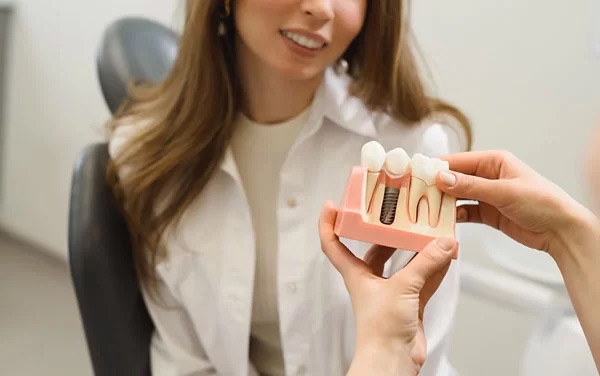
Once a tooth is gone, it’s worth discussing replacement. A gap can let neighboring teeth drift, make chewing harder, and contribute to jawbone loss. Depending on your needs, options may include:
- Dental Implants: A titanium post topped with a crown that helps preserve the surrounding bone.
- Dental Bridges: A replacement tooth anchored to the neighboring teeth.
- Partial or Full Dentures: Removable options for replacing one or several teeth. Immediate dentures may be available when multiple teeth need to be removed.
- Bone Grafting: A socket preservation step that helps maintain the ridge for a future implant.
Your dentist will help you compare comfort, cost, and timing so you can choose what fits your life.
Tips for Families Supporting a Loved One
If you’re helping a parent or grandparent through an extraction, these steps can make the day go more smoothly:
- Come to the appointment. A second set of ears helps with instructions.
- Bring the medication list and insurance card.
- Arrange a ride home, especially if sedation is used.
- Stock soft foods before the appointment.
- Plan quiet rest for the remainder of the day.
- Keep our number handy in case questions come up after hours.
Insurance and Payment Options
We’re in-network with Delta Dental and accept most major dental insurance plans. Many plans cover a simple extraction as a basic service and a surgical extraction as oral surgery, often at different percentages. Bring your insurance card, and we’ll help you understand your estimated portion before treatment. If you’re paying out of pocket, we offer CareCredit financing with flexible payment options.
Schedule a Senior-Friendly Tooth Extraction in Algoma, WI
If someone you love needs a tooth extraction, you don’t have to figure it out alone. As trusted Algoma dentists, Dr. Daniel Fama and Dr. Patti Sigl and the entire team at Algoma Family Dentistry offer gentle, carefully planned care for patients of all ages. We take the time to answer questions for both patients and their families.
Call us at (920) 487-2733 or schedule online. You’ll find us at 1421 Lake St., Algoma, WI 54201. We welcome patients in Algoma, Bruemmerville, Forestville, and Alaska, WI, as well as families throughout Kewaunee County and the surrounding communities, including Kewaunee, Luxemburg, Casco, and Sturgeon Bay.
In pain right now? Call us. We provide emergency dental care and will get you in as quickly as we can.