Get a Brighter Smile at Home
Looking for at-home teeth whitening kits near you? You’re not alone. Whether your smile has taken a hit from years of coffee, red wine, or just the natural aging process, getting a brighter smile is one of the most common goals we hear from patients at Algoma Family Dentistry, and it doesn’t always require an in-office appointment to get started.
This guide covers everything you need to know about at-home whitening kits in 2026: what’s actually trending, what works, what’s safe for sensitive teeth, how results compare to professional treatment, and when it makes more sense to call a dentist near you.
Ready to see what your smile can look like? Call our dental practice in Algoma at (920) 487-2733 to schedule a professional teeth whitening consultation today. We welcome patients from Algoma, Bruemmerville, Forestville, and Alaska, WI. We’ve written this resource so you leave with real answers, not more questions.
What Are At-Home Teeth Whitening Kits and How Do They Work?
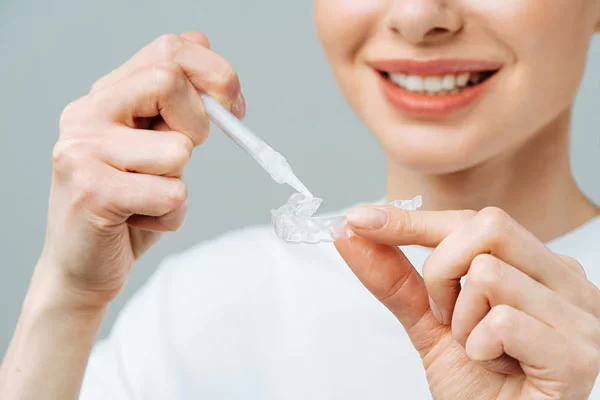
At-home teeth whitening kits work by applying a peroxide-based bleaching agent directly to the surface of your teeth. That agent—either hydrogen peroxide or carbamide peroxide—penetrates the outer enamel layer and breaks apart stain molecules through a controlled oxidation process. The result: a lighter, brighter tooth color without physically removing or altering the structure of the tooth.
There are several formats available in 2026, each with slightly different strengths and trade-offs:
- Whitening strips are flexible plastic strips coated with hydrogen peroxide gel that you apply to your teeth for 15 to 45 minutes. Crest 3D Whitestrips are highly recommended by dentists and ADA-approved. They’re effective, easy to use, and widely available, though they can occasionally cause uneven coverage along the gum line or with crowded teeth.
- Custom whitening trays are the gold standard for at-home whitening. Molded to fit your teeth, they hold professional-strength whitening gel for effective results. Unlike one-size-fits-all over-the-counter trays, dentist-dispensed custom trays—like the Opalescence PF kits—provide a more precise fit for even results.
- Whitening pens are excellent for quick touch-ups, but they’re not powerful enough to achieve dramatic whitening on their own. You apply the gel directly onto your teeth and allow it to dry. They’re helpful for maintenance but are not a standalone solution for significant staining.
- LED whitening kits have gained popularity by combining a peroxide gel with an LED mouthpiece, which is claimed to speed up whitening. However, independent dental experts highlight that consumer-grade LED lights are much weaker than those used professionally, with the whitening effects primarily coming from the peroxide gel. Nonetheless, they’re convenient and safe when used properly.
- Whitening toothpastes and mouthwashes contain abrasives or small amounts of hydrogen peroxide to help remove surface stains. While they can be useful for maintenance, they’re not a replacement for dedicated whitening treatments. Clinical research indicates that they result in significantly less color change compared to at-home bleaching kits.
What’s Trending in At-Home Whitening in 2026?
The teeth whitening market has evolved quickly. Here’s what’s actually popular and worth knowing right now:
- Whitening strips still dominate search trends, peaking in summer and around major life events like weddings and graduations. They remain the most-searched at-home whitening product by a significant margin.
- PAP+ (phthalimidoperoxycaproic acid) formulas are gaining traction as a peroxide-free alternative. These are marketed as gentler on enamel and less likely to cause sensitivity, which makes them appealing to a growing segment of patients who’ve had negative experiences with traditional peroxide kits. Research is still emerging, but early evidence is promising.
- Purple color-corrector toothpaste (like HiSmile V34) has gone viral on social media. It works by optically neutralizing yellow tones rather than chemically whitening teeth—think of it like a tinted moisturizer for your smile. Results are instant but temporary, and they don’t replace an actual whitening treatment.
- Enamel-safe, sensitivity-focused formulas are becoming a priority. Consumers are increasingly wary of high-peroxide products after experiencing discomfort, and the industry is responding with lower-peroxide formulas paired with desensitizing agents like potassium nitrate and fluoride.
The “viral DIY trend” warning: Social media continues to push homemade whitening methods—using baking soda and peroxide in boil-and-bite guards, activated charcoal, lemon juice, and similar concoctions. Dental professionals consistently advise against these. Lemon juice is acidic and erodes enamel; activated charcoal is abrasive and can damage enamel over time; DIY peroxide mixtures are uncontrolled and can cause gum damage. The short-term “results” simply aren’t worth the long-term risk.
Are At-Home Teeth Whitening Kits Safe?
Yes—with the right product, used correctly. Two decades of research support the safety and efficacy of peroxide-based at-home whitening when manufacturer instructions are followed. The most commonly reported side effects are temporary tooth sensitivity and mild gum irritation, both of which typically resolve within a day or two after stopping treatment.
Problems arise when products are misused: worn for too long, used too frequently, or applied on compromised enamel or unresolved dental decay. This is why dentists recommend getting a checkup before starting any whitening regimen. If you have cavities, active gum disease, or cracked enamel, whitening agents can penetrate deeper than intended and cause real discomfort or damage.
When whitening is not recommended:
- Untreated cavities or gum disease
- Cracked or heavily worn enamel
- Children under 13
- Pregnancy or breastfeeding
- Teeth with extensive restorations on visible surfaces (more on this below)
At-Home Whitening Kits and Sensitive Teeth: What You Need to Know
Sensitivity is the most common reason people stop using whitening products before completing a course—and it’s almost always preventable with the right approach.
First, it’s important to understand why whitening causes sensitivity. Peroxide temporarily increases the permeability of enamel, which can allow temperature changes and stimuli to reach the nerve more easily. This is usually short-lived and resolves on its own.
Tips for whitening with sensitive teeth:
- Choose a lower-concentration formula. Crest’s 3D Sensitive Whitening strips use 5.2% hydrogen peroxide—lower than the standard 10–15% range and meaningfully gentler on sensitive teeth.
- Look for added desensitizing agents. Products containing potassium nitrate or fluoride help calm the nerve response. Opalescence PF, for example, contains potassium nitrate and fluoride alongside the whitening agent.
- Don’t skip days. Using a kit every other day (rather than daily) gives enamel time to recover between sessions.
- Use a toothpaste for teeth sensitivity. Sensodyne or similar products used in the days before and after a whitening session can significantly reduce discomfort.
- Don’t exceed recommended wear time. Leaving strips or trays on longer than directed is one of the most common causes of unnecessary sensitivity.
If you experience significant sensitivity that doesn’t resolve within 48 hours, stop use and contact our dentist near you at (920) 487-2733. Our team at Algoma Family Dentistry can assess whether a professional desensitizing treatment is appropriate or whether a different whitening method would suit you better.
How Do At-Home Kits Compare to Professional Whitening?
This is probably the most important question on this page—and the honest answer is it depends on what you’re trying to achieve.
- At-home over-the-counter (OTC) whitening kits usually cost $20 to $100 and contain 3% to 15% hydrogen peroxide. Users can see noticeable results in one to three weeks, with optimal results at two to three weeks, improving one to four shades. These kits are convenient for use on your own schedule and effectively target surface-level staining.
- Dentist-dispensed at-home whitening kits, like the Opalescence PF available at Algoma Family Dentistry, typically range from $150 to $400. They contain 10–35% hydrogen peroxide or carbamide peroxide, with visible results in three to five nights and full results in one to two weeks. Custom trays ensure even coverage, while clinician oversight minimizes misuse.
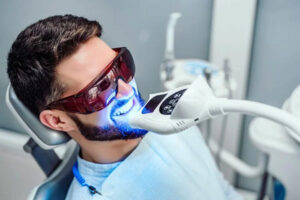
- Algoma Family Dentistry offers in-office professional whitening, like Zoom! whitening, with costs ranging from $300 to $1,000 based on the method and sessions needed. This treatment uses higher concentrations of whitening agents under clinical supervision, providing noticeable results in a single 60–90 minute appointment. On average, Zoom! can make teeth 8 shades whiter in about one hour, making it ideal for events or interviews.
Does Whitening Work on Crowns, Veneers, or Fillings?
This is one of the most important things to understand before you invest in any whitening product: whitening agents do not change the color of dental restorations. Dental crowns, porcelain veneers, tooth-colored fillings, and dental bonding are made from porcelain or composite resin materials that don’t respond to peroxide the same way natural enamel does.
That means if you have visible restorations on your front teeth, whitening your natural teeth could create a noticeable color mismatch—your natural teeth get lighter while the restorations stay the same shade.
Before starting any whitening treatment, mention your dental history to our Algoma dentist near you. Dr. Daniel Fama or Dr. Patti Sigl at Algoma Family Dentistry can assess your situation and advise whether whitening is a good fit—and whether your restorations may need to be updated to match after treatment.
Natural Whitening Methods vs. Commercial Kits: The Real Story
Let’s be straightforward about the popular natural alternatives:
- Baking soda is a mild abrasive that can remove surface stains over time. It’s not harmful in moderation, and some clinical studies show a modest whitening effect. Most dentists consider it acceptable for occasional use, though it provides no bleaching action—it polishes rather than whitens.
- Activated charcoal is aggressively abrasive and can actually wear down enamel with repeated use. Despite its popularity on social media, the American Dental Association has not approved any activated charcoal dental products, and the research on its safety is concerning enough that we consistently advise patients against using it regularly.
- Lemon juice and apple cider vinegar are acidic enough to dissolve enamel. Any perceived whitening effect comes from that acid erosion, which permanently weakens tooth structure. These should be avoided.
- Oil pulling has no credible evidence supporting teeth whitening benefits. It won’t hurt, but it won’t whiten either.
Bottom line: Commercial peroxide-based kits, when used correctly, are the only at-home option with consistent, clinically supported whitening results. Natural methods, at best, provide mild surface cleaning. At worst, some cause real enamel damage.
How to Choose the Right At-Home Whitening Kit in Algoma, WI
Before you reach for a whitening kit off the drugstore shelf, run through these questions:
- When did you last visit a dentist? If it’s been more than a year, schedule a checkup first. Whitening on top of undetected cavities or early gum disease can make things significantly worse.
- Do you have significant sensitivity? Start with a low-peroxide, sensitivity-formulated product (5–10% hydrogen peroxide) and use every other day. If sensitivity persists, talk to a dentist before continuing.
- Do you have crowns, veneers, or visible fillings? Consult your dentist first to understand how whitening may affect the appearance of those restorations.
- What’s your timeline? For a wedding, event, or interview in the next few weeks? An in-office treatment will deliver faster, more dramatic results than any OTC kit. For gradual whitening with no deadline, a well-chosen at-home kit works fine.
- What’s your budget? OTC strips at $20–$50 are a reasonable starting point for mild staining and low sensitivity. For reliable results with more control, dentist-dispensed trays are worth the investment.
How to Maintain Your Results After Whitening
Getting a brighter smile is the easy part. Keeping it is where most people fall short. Here’s what actually works:
- Limit staining foods and drinks. Coffee, tea, red wine, soy sauce, tomato sauce, and berries are the biggest culprits. You don’t have to eliminate them—just rinse your mouth or brush your teeth shortly after consuming them.
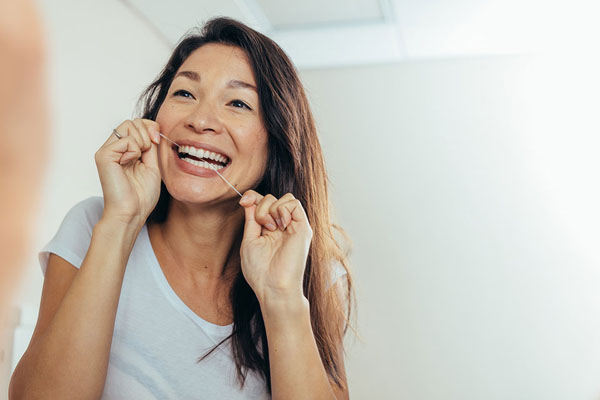
- Brush twice daily and floss daily. Plaque buildup accelerates staining by giving pigments more surface area to cling to.
- Use a whitening toothpaste for maintenance. Not as your primary whitening method, but as an ongoing surface stain deterrent.
- Don’t smoke or use tobacco products. Tar and nicotine stain teeth faster than almost anything else, and the stains are notoriously difficult to remove.
- Schedule regular cleanings. Professional cleanings at Algoma Family Dentistry remove surface stains and tartar before they become stubborn discolorations.
- Touch up every 3 to 6 months. Especially if you’re a regular coffee or wine drinker. A brief maintenance course with the same whitening product will keep your results consistent.
Consulting a Dentist Near You in Algoma, WI: Is It Worth It?
Absolutely—especially if you’ve never whitened before, have dental work visible when you smile, or have experienced sensitivity with past products. A quick consultation saves time, money, and potential discomfort.
Dr. Fama and Dr. Sigl at Algoma Family Dentistry can evaluate your current tooth shade, check for any conditions that would affect the safety or outcome of whitening, and recommend the approach best suited to your goals—whether that’s a dentist-dispensed take-home kit, an in-office Zoom! treatment, or guidance on the best OTC product for your situation.
Frequently Asked Questions
Most people notice a difference within 3 to 7 days of consistent use. Full results from a standard OTC course typically appear within 2 to 3 weeks. Dentist-dispensed kits with higher peroxide concentrations tend to deliver visible results faster — often within 3 to 5 nights of use.
Temporary tooth sensitivity and mild gum irritation are the most frequently reported effects. Both typically resolve within 24 to 48 hours after stopping treatment. If you experience prolonged sensitivity, sharp pain, or gum damage, stop use and contact a dentist near you.
Follow the manufacturer’s guidelines—typically a course of 7–14 days, followed by a rest period before repeating. Overuse increases the risk of enamel sensitivity and can temporarily demineralize enamel if not given recovery time. Maintenance touch-ups every 3–6 months are a reasonable approach for most patients.
Most are not recommended. Activated charcoal is excessively abrasive and can wear enamel. Lemon juice and vinegar are acidic enough to dissolve enamel. Baking soda is relatively safe in moderation, but it polishes rather than bleaches. Commercial peroxide-based products remain the only at-home option with consistent, safe whitening evidence.
The biggest differences are peroxide concentration, tray fit, and oversight. OTC strips use 3–15% hydrogen peroxide with a universal strip that doesn’t conform perfectly to every tooth surface. Dentist-dispensed custom trays use 10–35% carbamide or hydrogen peroxide in a tray made from impressions of your teeth, providing more even coverage and more predictable results. Neither is inherently unsafe—it’s a matter of how much whitening you need and how quickly you want results.
A few common reasons: the staining may be intrinsic (deep, internal discoloration from medication or injury) rather than extrinsic surface staining, which peroxide can’t fully address. The product may have been too weak or not used consistently enough. Or the teeth may have had a buildup of plaque or tartar that prevented the whitening agent from reaching the enamel effectively. A consultation with a dentist near you can identify which category applies and recommend the right next step.
Ready for a Brighter Smile? Talk to a Dentist in Algoma, WI
At-home whitening kits can absolutely deliver real, noticeable results — but starting with the right information makes the difference between a successful outcome and a frustrating one. Whether you’re looking for a simple OTC strip recommendation, a dentist-dispensed take-home kit, or an in-office treatment that changes your smile in one appointment, the team at Algoma Family Dentistry is here to help.
Call our Algoma dental clinic at (920) 487-2733 to schedule your whitening consultation today. Dr. Daniel Fama and Dr. Pattie Sigl welcome patients in Algoma, Bruemmerville, Forestville, and Alaska, WI. Algoma Family Dentistry is located at 1421 Lake St., Algoma, WI 54201.